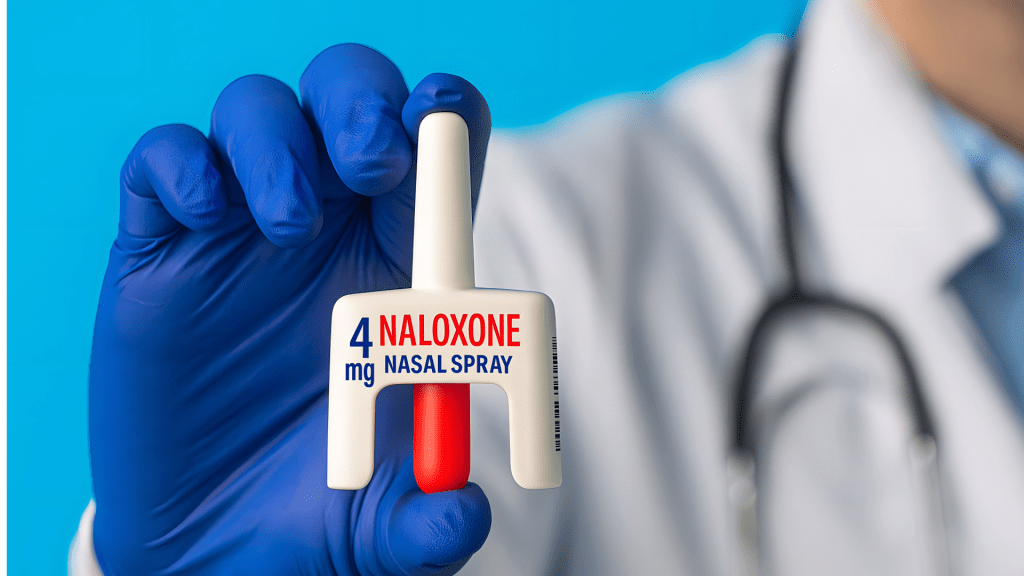
Nasal naloxone is a proven, safe, and easy-to-use alternative to injectable naloxone. It removes barriers to administration, reduces the risk of needle-stick injuries, and ensures that bystanders, family members, and frontline workers can act quickly and effectively in emergency situations.
Why This Matters
Alberta continues to face a serious and ongoing overdose crisis that affects families, communities, and frontline workers across the province. Access to overdose reversal tools that are simple, safe, and widely usable is critical to saving lives.
By making nasal naloxone the standard formulation, Alberta can:
Support frontline workers and families: Empowers those most likely to be present at an overdose emergency.
Improve public accessibility: Nasal spray is easier to use for people without medical training.
Enhance safety: Eliminates the risk of accidental needle-stick injuries.
Increase rapid response: Faster, simpler administration during critical moments.
Our Call to Action
We respectfully call on the Government of Alberta and Alberta Health Services to:
- Adopt nasal naloxone as the standard formulation for all provincially supported overdose response and distribution programs.
- Ensure equitable access across urban, rural, and remote communities.
- Support public education on overdose recognition and nasal naloxone use.
Evidence-based cost and safety considerations:
- A 2022 cost-effectiveness study (e.g., Addiction Journal) found that despite a slightly higher per-dose price, nasal naloxone results in lower overall system costs due to reduced emergency department use and hospitalizations.
- The average hospital admission for an opioid overdose in Alberta costs $7,000–$12,000, while each nasal naloxone kit costs about $100–$150 — a fraction of the cost of a single hospitalization or fatality investigation.
- Needlestick injuries can cost between $600–$6,000 per incident (testing, prophylaxis, follow-up). Nasal delivery eliminates that risk entirely.
- Training costs for injectable kits can be up to three times higher due to the complexity of use and fear of needles among lay responders.
- Community uptake improves dramatically — studies show nasal kits are used more frequently and correctly by bystanders compared to injectable versions.
Click HERE to download a copy of the petition.
Email abnursesforchange@gmail.com to arrange the collection of signed petitions.
 Alberta Nurses for Change
Leave a comment