Petition to Make Nasal Naloxone the Standard in Alberta
Why it matters:
Opioid poisoning continues to claim lives across Alberta. Every second counts in an overdose — yet injectable naloxone can be intimidating and confusing for untrained users. Nasal naloxone is simple, needle-free, and can be administered in seconds. Its use has been widely adopted in other provinces and countries, with clear evidence that it increases timely intervention and survival rates.
Potential cost savings and benefits:
- 💰 Reduced healthcare costs: Fewer hospital admissions and complications (such as infections or delayed treatment) from missed or late doses.
- 🧠 Fewer training and replacement costs: Nasal naloxone requires minimal instruction, reducing the need for repeated training and replacement of used or expired kits.
- 🩸 Elimination of needle-related risks: No risk of accidental needle sticks, reducing occupational health costs and exposure for responders.
- 🚑 Improved public response: Nasal naloxone increases the likelihood of effective bystander intervention, reducing ambulance call-outs and intensive care admissions.
- ❤️ Lives saved: More accessible, easier-to-use naloxone means more timely reversals — and fewer preventable deaths.
We call on the Government of Alberta to:
- Prioritize procurement and distribution of nasal naloxone for all Take-Home Naloxone programs.
- Provide nasal naloxone to all first responders, community health programs, and public health units.
- Phase out reliance on injectable kits in community overdose prevention efforts.
Making this shift is a practical, compassionate, and cost-effective step toward saving lives in Alberta’s ongoing opioid crisis.
Because saving lives should be simple.
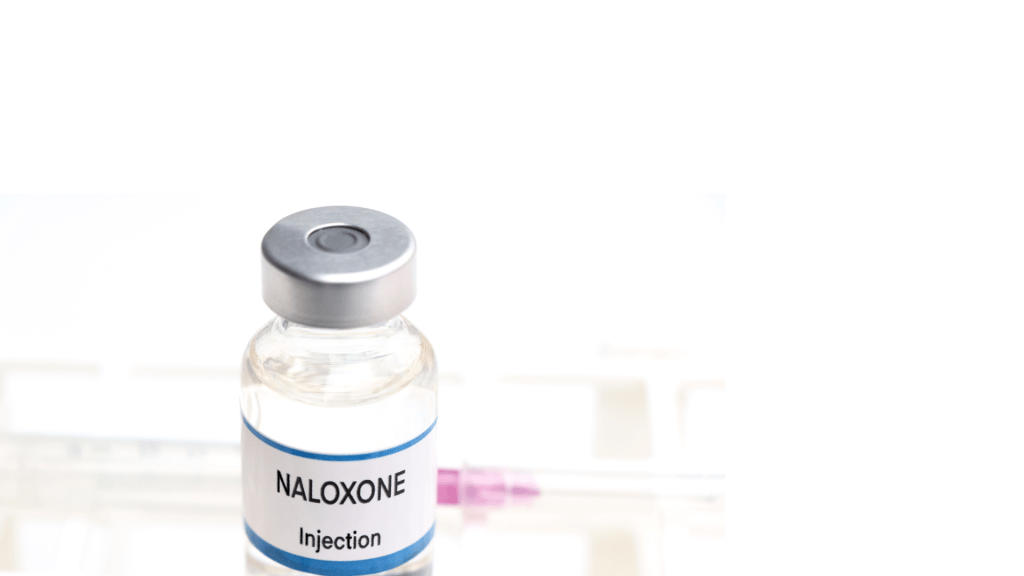
Nasal Naloxone Petiton
Click HERE to download
email completed petitions to: abnursesforchange@gmail.com
News & updates
-
Presumptive Coverage for Nurses Across Canada
Presumptive coverage in workers’ compensation legislation means that certain injuries or conditions are automatically assumed to be related to a worker’s occupation, without the need for the worker to prove the connection between their injury and their job. This coverage is particularly crucial for psychological injuries like PTSD, which can be difficult to link directly…
-
Navigating the Holiday Stress as a Nurse: Balancing Work, Mental Health, and Self-Care
By Rachel Steel Navigating the Holiday Stress as a Nurse: Balancing Work, Mental Health, and Self-Care The holiday season can be a tough time for nurses and healthcare workers, especially when unrealistic expectations about how the holidays “should” unfold collide with the realities of the job. Long hours, fewer staff, and the emotional demands of…
-
Nurses in Alberta Deserve More: The Struggle for Pay Equity and Equal Treatment
By Rachel Steel Across Canada, nurses are facing a crisis. Despite their critical role in the healthcare system, their pay and working conditions have not kept pace with the demands of the job. The undervaluation of their work, gender bias in compensation, and the long-standing effects of wage suppression policies have made it increasingly difficult…

