Petition to Make Nasal Naloxone the Standard in Alberta
Why it matters:
Opioid poisoning continues to claim lives across Alberta. Every second counts in an overdose — yet injectable naloxone can be intimidating and confusing for untrained users. Nasal naloxone is simple, needle-free, and can be administered in seconds. Its use has been widely adopted in other provinces and countries, with clear evidence that it increases timely intervention and survival rates.
Potential cost savings and benefits:
- 💰 Reduced healthcare costs: Fewer hospital admissions and complications (such as infections or delayed treatment) from missed or late doses.
- 🧠 Fewer training and replacement costs: Nasal naloxone requires minimal instruction, reducing the need for repeated training and replacement of used or expired kits.
- 🩸 Elimination of needle-related risks: No risk of accidental needle sticks, reducing occupational health costs and exposure for responders.
- 🚑 Improved public response: Nasal naloxone increases the likelihood of effective bystander intervention, reducing ambulance call-outs and intensive care admissions.
- ❤️ Lives saved: More accessible, easier-to-use naloxone means more timely reversals — and fewer preventable deaths.
We call on the Government of Alberta to:
- Prioritize procurement and distribution of nasal naloxone for all Take-Home Naloxone programs.
- Provide nasal naloxone to all first responders, community health programs, and public health units.
- Phase out reliance on injectable kits in community overdose prevention efforts.
Making this shift is a practical, compassionate, and cost-effective step toward saving lives in Alberta’s ongoing opioid crisis.
Because saving lives should be simple.
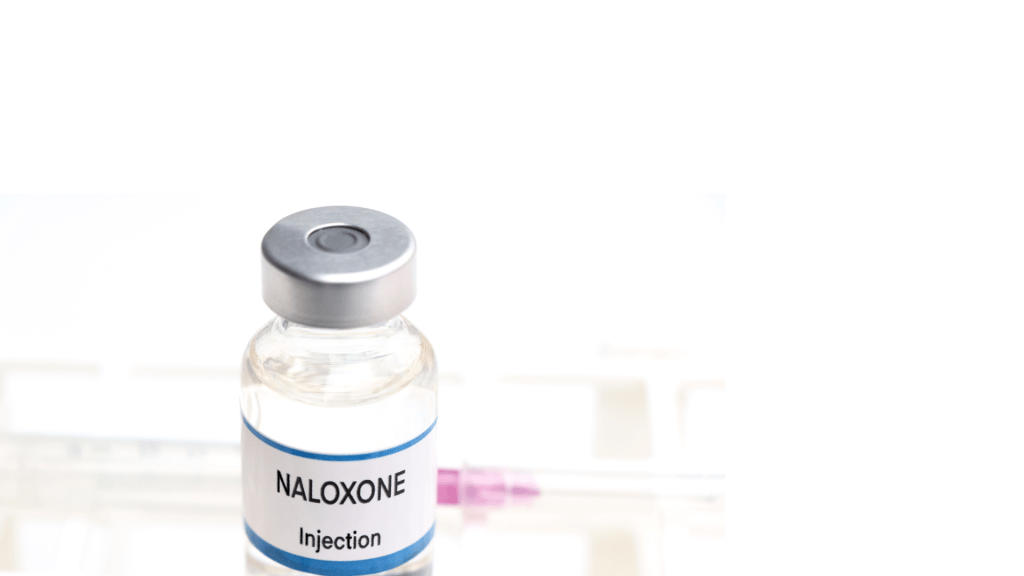
Nasal Naloxone Petiton
Click HERE to download
email completed petitions to: abnursesforchange@gmail.com
News & updates
-
The WCB Process in Alberta: A Barrier to Healing
In theory, WCB is designed to support workers who experience injuries or illnesses as a result of their work. For physical injuries, the process is relatively straightforward. However, for psychological injuries—such as PTSD, anxiety, or burnout—the process is anything but easy. The Checklist of Frustration To report a psychological injury, nurses must first navigate a…
-
The Crisis Facing Nurses: The Unseen Battle with PTSD, Moral Injury, and Burnout
Nurses are the backbone of healthcare, especially during times of crisis like the COVID-19 pandemic. Yet, many nurses are facing an unseen battle with mental health conditions like post-traumatic stress disorder (PTSD), moral injury, and burnout. These conditions, often compounded by overwhelming workloads, inadequate support, and ethical conflicts, have led to a growing crisis in…
-
Vicarious Trauma in Alberta’s Nurses: The Need for Support and Presumptive Legislation Post-COVID-19
In Alberta, as across the world, healthcare workers have been on the frontlines of the COVID-19 pandemic, navigating unprecedented challenges and experiencing both physical and emotional tolls. While the pandemic has impacted everyone’s mental health, it is healthcare professionals, especially nurses, who have faced some of the most intense pressures. In particular, nurses have been…

