Petition to Make Nasal Naloxone the Standard in Alberta
Why it matters:
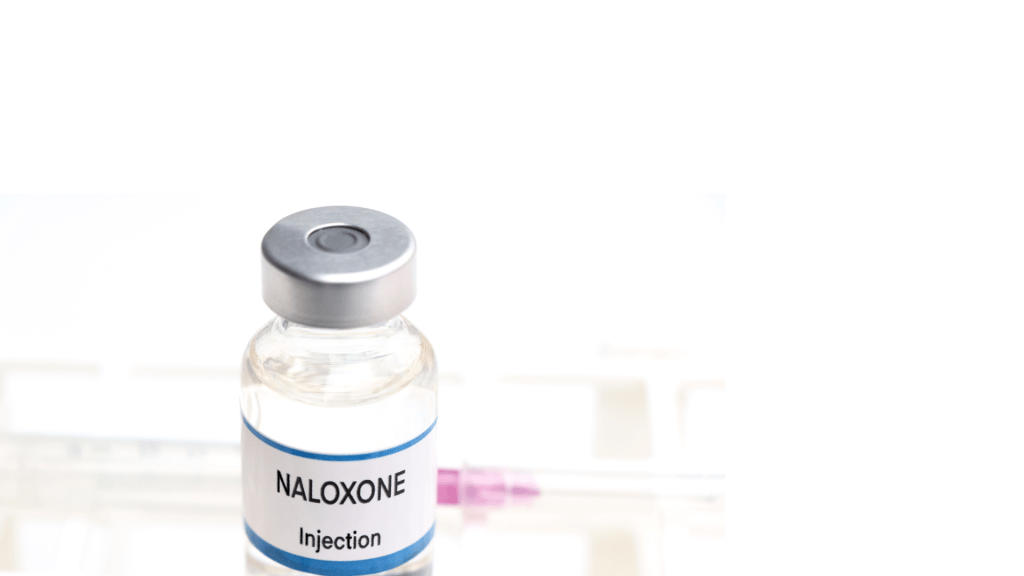
Opioid poisoning continues to claim lives across Alberta. Every second counts in an overdose — yet injectable naloxone can be intimidating and confusing for untrained users. Nasal naloxone is simple, needle-free, and can be administered in seconds. Its use has been widely adopted in other provinces and countries, with clear evidence that it increases timely intervention and survival rates.
Potential cost savings and benefits:
- 💰 Reduced healthcare costs: Fewer hospital admissions and complications (such as infections or delayed treatment) from missed or late doses.
- 🧠 Fewer training and replacement costs: Nasal naloxone requires minimal instruction, reducing the need for repeated training and replacement of used or expired kits.
- 🩸 Elimination of needle-related risks: No risk of accidental needle sticks, reducing occupational health costs and exposure for responders.
- 🚑 Improved public response: Nasal naloxone increases the likelihood of effective bystander intervention, reducing ambulance call-outs and intensive care admissions.
- ❤️ Lives saved: More accessible, easier-to-use naloxone means more timely reversals — and fewer preventable deaths.
We call on the Government of Alberta to:
- Prioritize procurement and distribution of nasal naloxone for all Take-Home Naloxone programs.
- Provide nasal naloxone to all first responders, community health programs, and public health units.
- Phase out reliance on injectable kits in community overdose prevention efforts.
Making this shift is a practical, compassionate, and cost-effective step toward saving lives in Alberta’s ongoing opioid crisis.
Because saving lives should be simple.
Nasal Naloxone Petiton
Click HERE to download
email completed petitions to: abnursesforchange@gmail.com
News & updates
-
Addressing Healthcare Worker Burnout: A Call for Organizational Change
The COVID-19 pandemic has laid bare the critical issue of burnout among healthcare workers (HCWs). Already under pressure, HCWs were pushed to their limits by the pandemic, facing overwhelming workloads, trauma, and shifting work conditions. While strategies like yoga and exercise are often suggested to manage burnout, these are merely temporary fixes. The real solution…
-
Stress, Anxiety, and Growth in Nurses During the COVID-19 Pandemic
The COVID-19 pandemic tested the limits of healthcare workers worldwide, and among them, nurses bore much of the brunt of the crisis. The immediate challenges were evident—personal risk, long hours, intense workloads, and overwhelming patient numbers. However, what is perhaps less discussed is the psychological toll this experience took, especially in terms of stress and…
-
Understanding the Difference Between PTSD and Burnout
As a nurse, you face immense pressure every day—whether it’s from long shifts, high-stress situations, or dealing with emotional and physical exhaustion. Yet, when it comes to the psychological toll of this work, there’s often confusion about the distinction between burnout and Post-Traumatic Stress Disorder (PTSD). Knowing the difference is crucial, not only for your…
 Alberta Nurses for Change